
Artificial intelligence is not a trend. It's not just another wave in the technology world. It is, in all likelihood, the next true point of critical dependency for business. And to understand why, it's worth taking a step back.
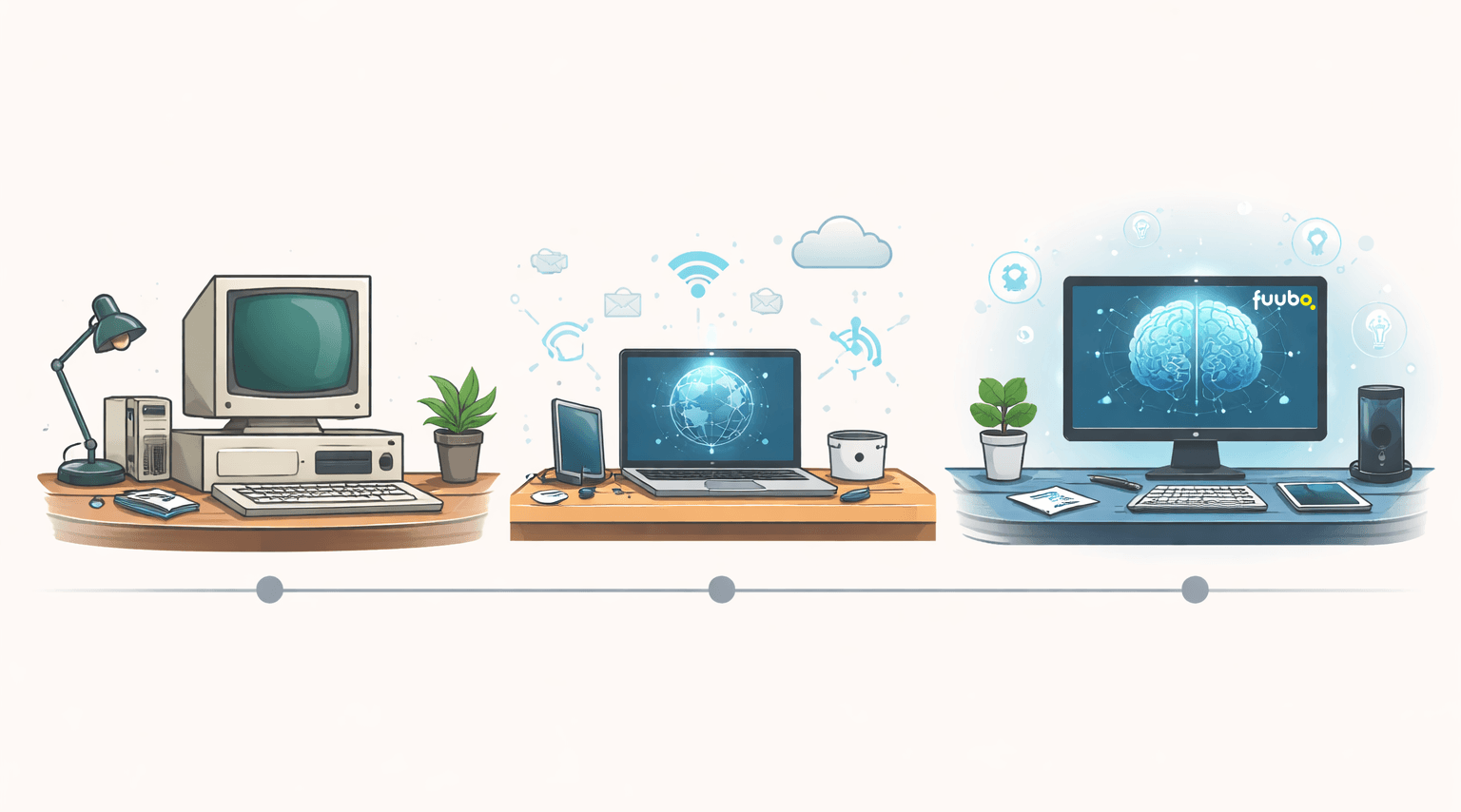
There was a time when computers already existed, yet many companies still did most of their work by hand. Paper invoices, manual records, calculations done with a pencil and a handheld calculator. Computers were there, yes — but they were seen as useful, not essential. If there was no computer, the work still got done.
Today, that sounds completely absurd. No one can imagine running a company without systems, without spreadsheets, without software. It's not just a tool that improves productivity; it's the foundation on which entire operations run. The dependency became total — but it didn't happen overnight.
Something very similar happened with the internet. At first, having a connection was almost a luxury. If it went down, it wasn't a major problem. Systems kept running locally, operations continued, business didn't stop. The internet was a complement, not a pillar.
Today, the reality is entirely different. If the internet goes down, many companies simply cannot operate. It's not just about browsing or sending emails. It's about accessing critical systems, cloud services, and external platforms that underpin entire business processes. When those services aren't available, operations don't slow down — they stop.
And that is exactly what we're beginning to see with artificial intelligence.
The Window of Optionality
Today, in most cases, AI is used as a support layer. It helps draft an email faster, generate content, automate specific tasks, or experiment with assistants and agents. If AI isn't available, the business keeps running. Maybe with more effort, maybe more slowly — but it keeps running.
That is precisely the same position that computers and the internet were in at their early stages.
However, this window of "optionality" is closing at a speed we've never seen before. Soon, customer service, financial decision-making, and logistics won't just use AI — they'll be AI.
In that scenario, AI stops being a tool and becomes part of the operation itself. And when that happens, if AI fails, the problem is no longer technical. It's operational. The business starts to grind to a halt.
More Fundamental Than the Internet
It may seem like an overstatement to say that AI will become more fundamental than the internet — but in many cases, it will. The internet connects systems; AI begins to operate within them. The internet digitized processes; AI has started to execute them. It's no longer just a channel — it's an engine that makes decisions and acts directly on the operation.
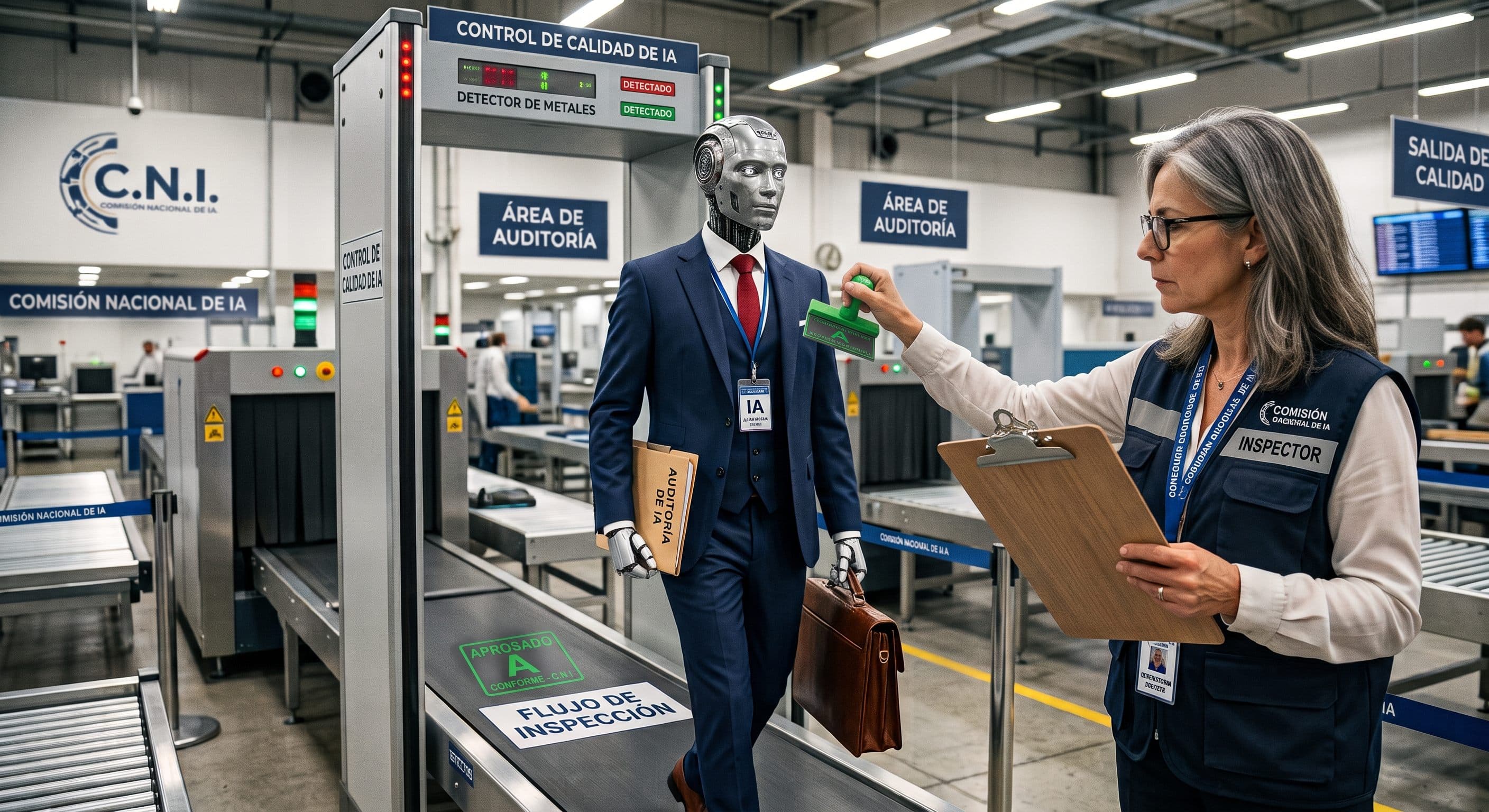
And that is where the real risk emerges. Not in failing to use AI, but in using it poorly. Without accounting for data hallucinations or the loss of control over critical processes when there's no clear governance in place.
The Cost of Urgency Without Strategy
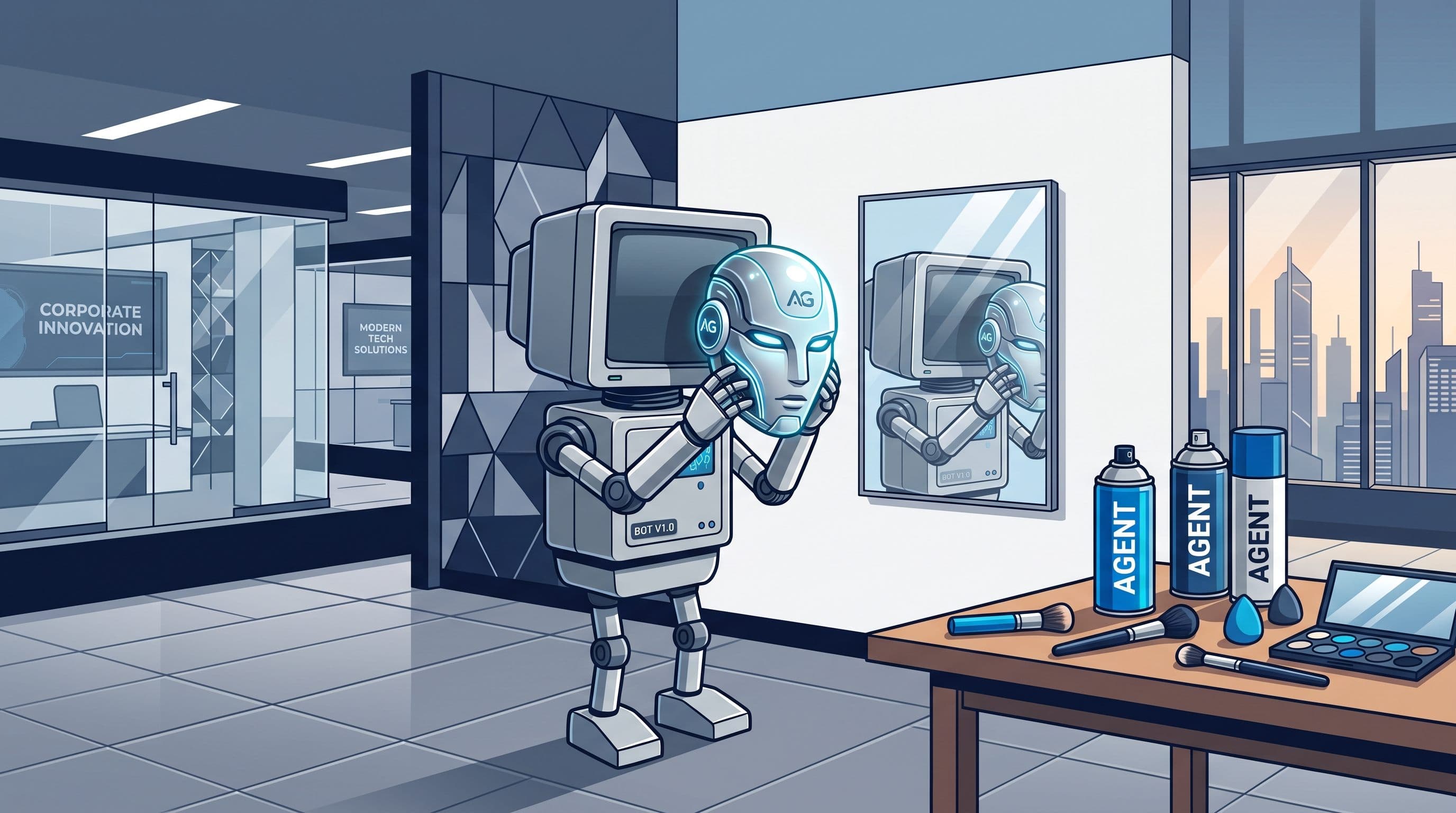
Today, there is obvious pressure to "do something with AI." Companies are purchasing tools, testing agents, and integrating copilots — often without clarity on what problem they're actually solving, how ready their data is, or which processes can realistically be automated.
This is a familiar pattern. When the cloud became the dominant trend, many organizations migrated without a clear strategy and ended up with runaway costs, inefficient architectures, and little tangible value.
With artificial intelligence, exactly the same thing can happen — but with greater impact, because we're not just talking about infrastructure. We're talking about how the business operates.
Adopt Correctly, Not Just Quickly
The difference isn't in implementing AI — it's in adopting it correctly. And that requires far more than technology. It means understanding the business, the processes, data quality, organizational culture, and the way people actually work. It means having clarity on where it makes sense to apply it, how to integrate it into real operations, and how to measure its impact.
This isn't about adding tools. It's about generating value.
Looking back, no one regrets having adopted computers or the internet. But many companies paid a heavy price for doing it late, or for doing it without a strategy. With AI, we're at that same moment. There's still room to explore, experiment, and make mistakes with relatively low consequences. But that won't last forever.
The question for leaders is no longer whether AI is necessary — it's whether their organization is ready for the business to depend on it. In a few years, not using it won't be a strategic choice; it will be an inability to compete.
AI is not the future; it's the invisible infrastructure of the present. Just like the PC and the internet before it, it has moved from technical novelty to existential necessity. Before integrating, you need to diagnose. The first step isn't buying technology — it's understanding your own maturity.