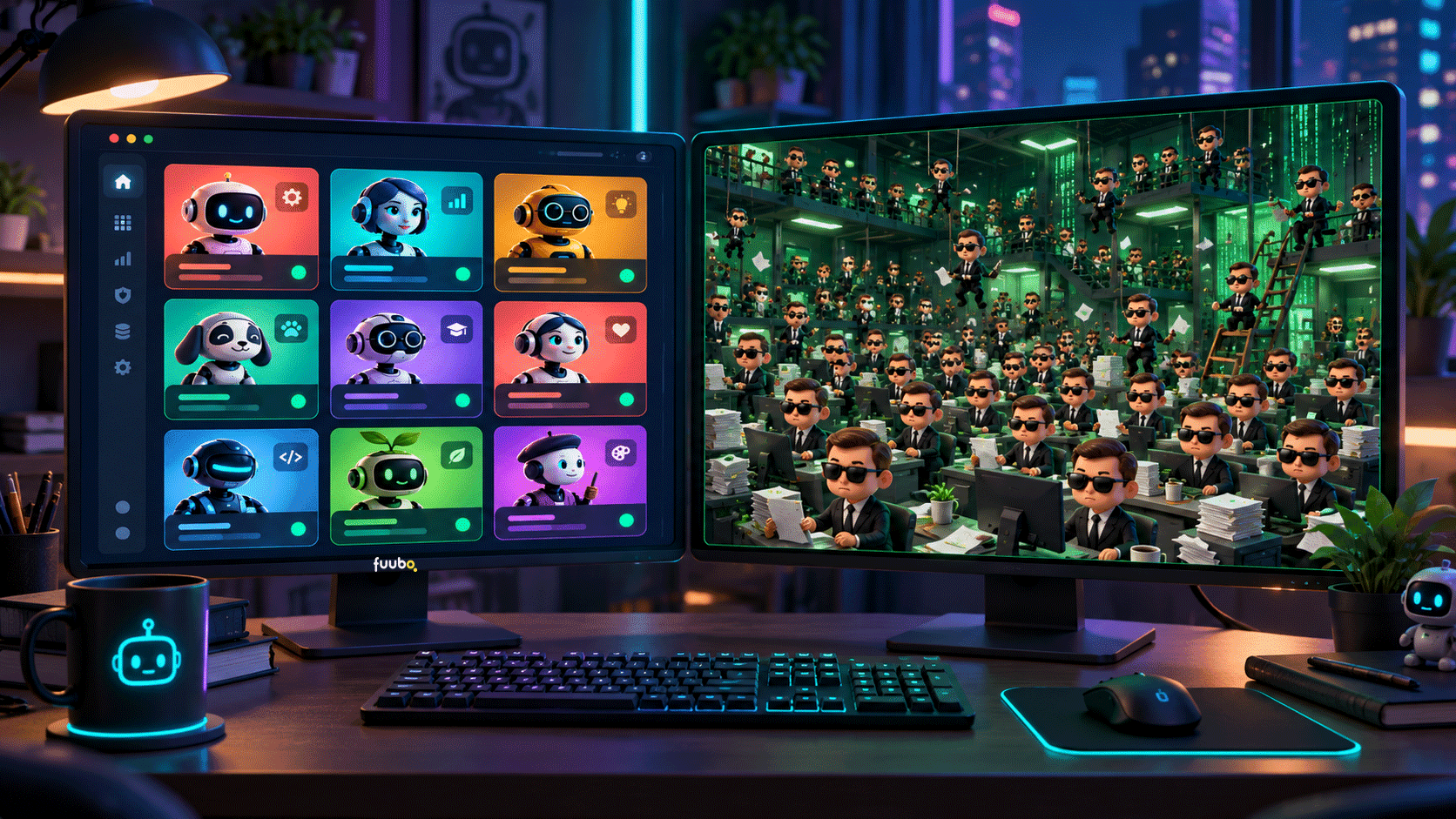

For years, many companies have postponed important decisions for an apparently logical reason: "we're missing someone."
We don't have a marketing person. We don't have a data analyst. We don't have someone who knows how to automate. We don't have a process expert. We don't have someone who understands artificial intelligence. We lack the time, the knowledge, or the capacity.
And in many cases, it was true. A business doesn't always stop growing because it lacks ideas. Often it stops growing because it lacks access to the right profile, the right skill, or the professional who can turn that idea into execution.
But artificial intelligence is starting to change that equation.
Not because it magically replaces all experts, and not because it eliminates the need for human judgment. But because it makes it far simpler and faster to access capabilities that were previously out of reach for many organizations.
A company that didn't run a marketing campaign because it had no specialist can now start with a strategy, messaging, segmentation, a content calendar, and initial drafts — all with AI support. A team that didn't do predictive analytics because it had no data scientists available can now explore models, hypotheses, patterns, and scenarios with a much lower barrier to entry. A business that never documented its processes because no one had the time can now surface, organize, and improve those processes using generative tools.
The Question Is Shifting
The old question was: do we have the right person to do this? The new question is becoming: if we had access to that knowledge, what would we do differently?
Microsoft describes a new era in which intelligence is becoming available "on demand," and where companies can expand their capacity through hybrid teams of people and AI agents. Their Work Trend Index finds that 82% of leaders expect to use "digital labor" to expand their team's capacity over the next 12 to 18 months. This matters because many organizations aren't held back by a lack of technology. They're held back by a lack of capacity to think, design, execute, and sustain new initiatives. In other words, what's usually missing isn't a platform — it's a combination of knowledge, method, and time.
AI doesn't eliminate that need, but it does partially democratize it.
Today a sales manager can prototype a campaign. An operations lead can design an automation. A finance team can run scenario analyses. An HR department can build a first draft of a training plan. An entrepreneur can validate messages, create content, analyze competitors, and structure a proposal without waiting weeks for external resources.
That doesn't mean the final result can skip review. Quite the opposite — expert judgment is still essential. But the starting point changes dramatically. What used to require hiring, waiting, coordinating, and budgeting can today often begin with a well-guided conversation with AI.
McKinsey estimates that generative AI could deliver significant economic value, primarily through productivity improvements in functions like sales, marketing, customer service, software development, and operations. But that value doesn't appear simply by having access to ChatGPT, Copilot, Gemini, or any other tool. It appears when an organization is willing to redesign how it works.
And That's the Real Shift
AI isn't just useful for doing faster what you were already doing. It's useful for asking yourself what you weren't doing — because it seemed too expensive, too complex, or too far out of reach.
What campaign didn't you launch because you didn't have the team? What analysis didn't you run because the data wasn't perfectly prepared? What process didn't you automate because no one knew where to start? What service didn't you offer because it required a capability you didn't have internally? What decision did you delay because you were missing information, time, or structure?
Technology is no longer the stopper. Knowledge isn't necessarily either. The opportunity is real — but experimenting isn't enough. That capacity needs to become actual processes, with governance, focus, and accountability.
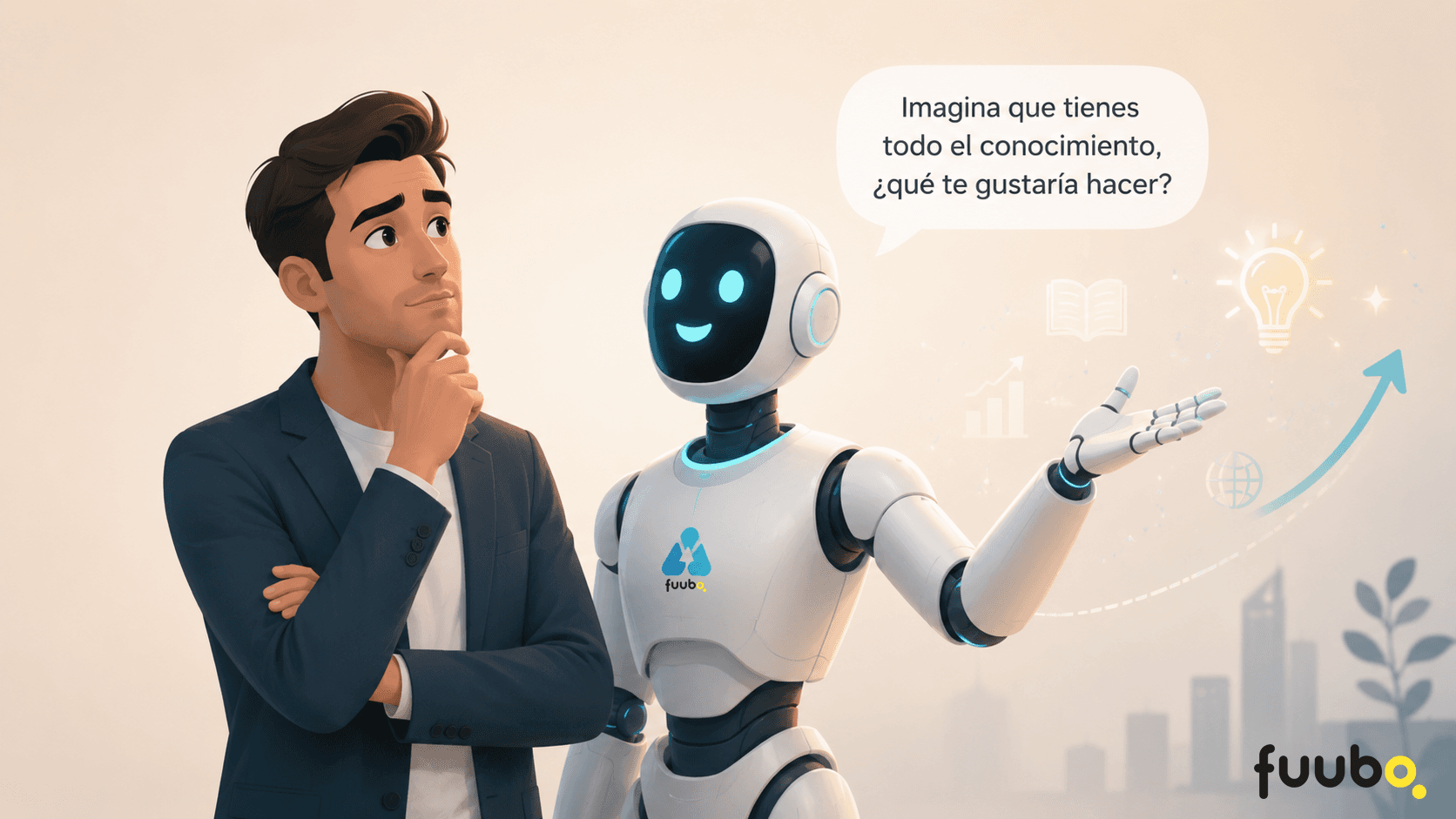
That's why the most important question for a business shouldn't be "what can AI do?" That question is too broad. The question should be more concrete: If your company had access to any kind of expertise it needed, what would change tomorrow?
Maybe the way you sell would change. Maybe the way you serve customers would change. Maybe the speed at which you create proposals would change. Maybe the way you analyze information would change. Maybe your ability to test new ideas without committing large budgets would change. Maybe the ambition of the business itself would change.
Competitive advantage won't come simply from having access to AI — that will become table stakes. The difference will lie in knowing what to ask of it, where to apply it, how to integrate it into the business, and what decisions to make with the results. In a word: Adoption.
AI forces us to give up a comfortable excuse: "we don't do it because we don't have the right person."
Maybe you still don't have the full team. Maybe you still don't have perfectly clean data. Maybe your capabilities aren't fully mature yet. But today you can start earlier. You can prototype earlier. You can validate earlier. You can learn earlier.
And that changes the conversation.
Because if knowledge is no longer the main constraint, then the underlying question becomes far more challenging:
What do you want to build now that you have access to capabilities that once seemed out of reach?