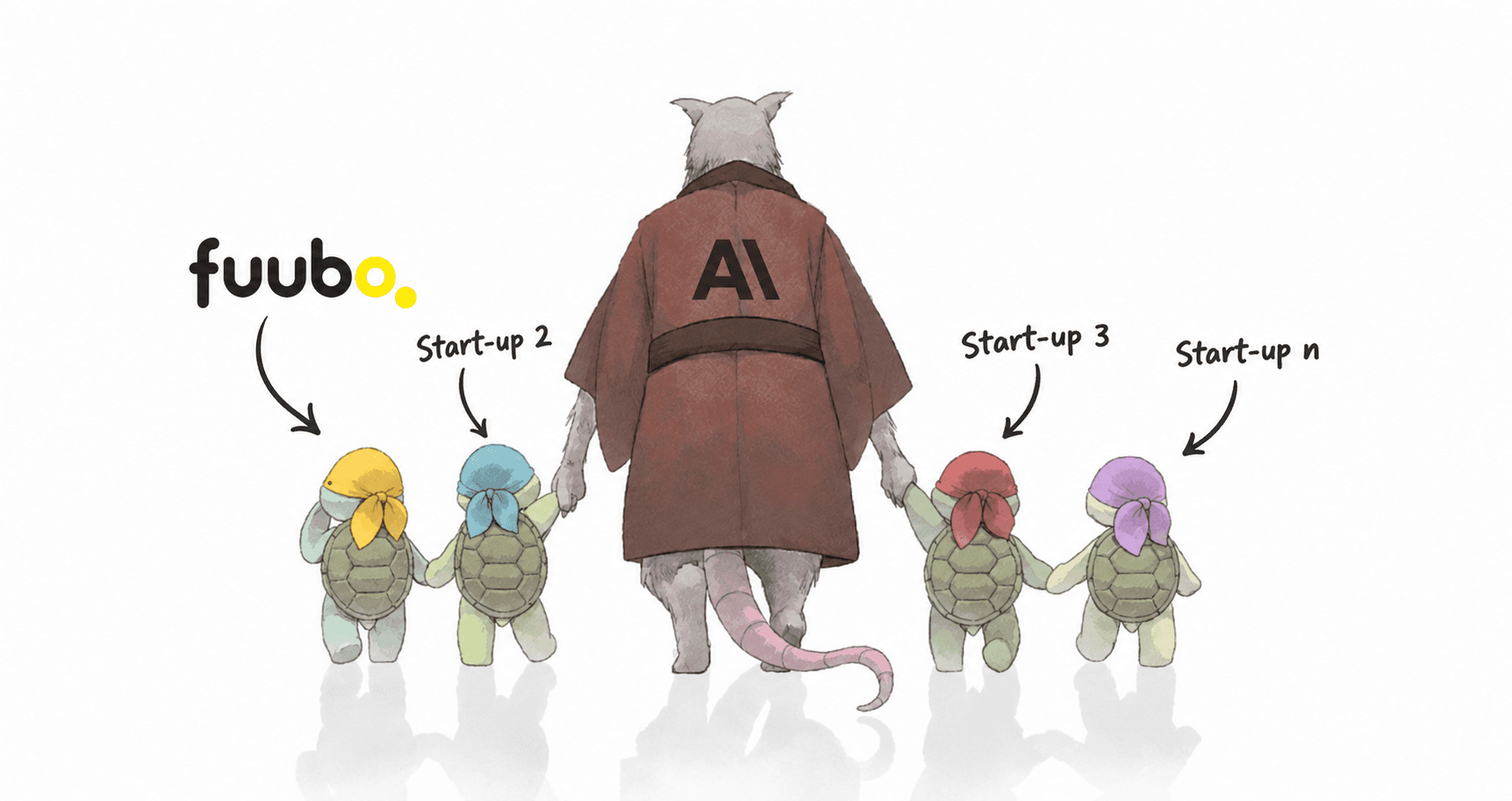
In the GPT-6 Astra launch video, OpenAI showed something that went somewhat unnoticed amid the AGI discussion: the model connects to Canva, builds a presentation, fills out forms, updates records. It doesn't suggest what to do — it does it. What changed isn't the technology itself, but how it's used. The model stopped being a window and became an operator. And that same logic, applied from outside your company — toward your catalog, your prices, your product availability — is exactly what agentic commerce is starting to install.
There is a conversation that has been growing for months in the world of digital commerce: the major technology players are building protocols so that AI agents can discover products, compare options, verify conditions and, in some cases, complete a purchase without a person opening a browser, browsing a catalog, or running a manual search. The buyer delegates to their agent. The agent does the work.
The autonomous purchase part is still more promise than widespread reality. But the discovery and comparison part is already happening, and that alone has consequences.
The question that matters is not whether this changes everything tomorrow. It is whether your company's information would be useful to an agent that wanted to evaluate it today.
Think about how an agent works when it searches for a product or service on someone's behalf. It doesn't see your design. It doesn't value the hero animation or the menu layout. It reads data: product name, description, price, availability, purchase conditions, delivery times, warranties. If that information exists, is up to date, and is structured in a way the agent can process without ambiguity, you have a chance of appearing in the comparison. If not, you simply don't exist for that agent, regardless of how well your site looks to a human.
This inverts a logic that companies have followed for years. For a long time, search engine optimization was the most important layer of digital visibility: ranking well on Google meant traffic, and traffic meant the possibility of a sale. With AI agents, the layer that matters is earlier and different: it's not enough to appear in an index — you need data that an autonomous system can read, interpret, and use to make a decision. And many companies today don't have that in order.
When a new protocol appears in the market, the typical reaction in technology is to look for how to integrate. But before thinking about any technical integration, there is a more basic question: is the information in your catalog, your prices, and your commercial conditions structured, updated, and consistent? Because if the answer is no, integrating into an agentic commerce protocol will only expose that disorder faster.
What you see in companies that have been active in digital channels for a while is that the data problem is not new: prices that vary between the website, the CRM, and the inventory system; outdated or incomplete product descriptions; stock information that doesn't reflect real-time reality; commercial terms sitting in a PDF no one has updated in months. That is not an AI problem — it is a data problem, and the AI that starts operating on that foundation amplifies it.
The prior work is not technical in the glamorous sense of the term. It doesn't require an AI team or an innovation budget. It requires reviewing whether the product information your company publishes is complete, whether prices are correct and up to date, whether stock reflects reality, and whether purchase conditions are clear. That work is operational and in many cases should already be done, though it often isn't.
For years, the question was whether the website looked good. Then it was whether it appeared on the first page of Google. The question that is beginning to take hold is whether the business's data is readable by an AI that makes comparison and recommendation decisions on behalf of another person. These are not mutually exclusive questions, but they have different priorities. And whoever arrives at that scenario with disorganized data won't lose in the comparison — they simply won't appear in it.